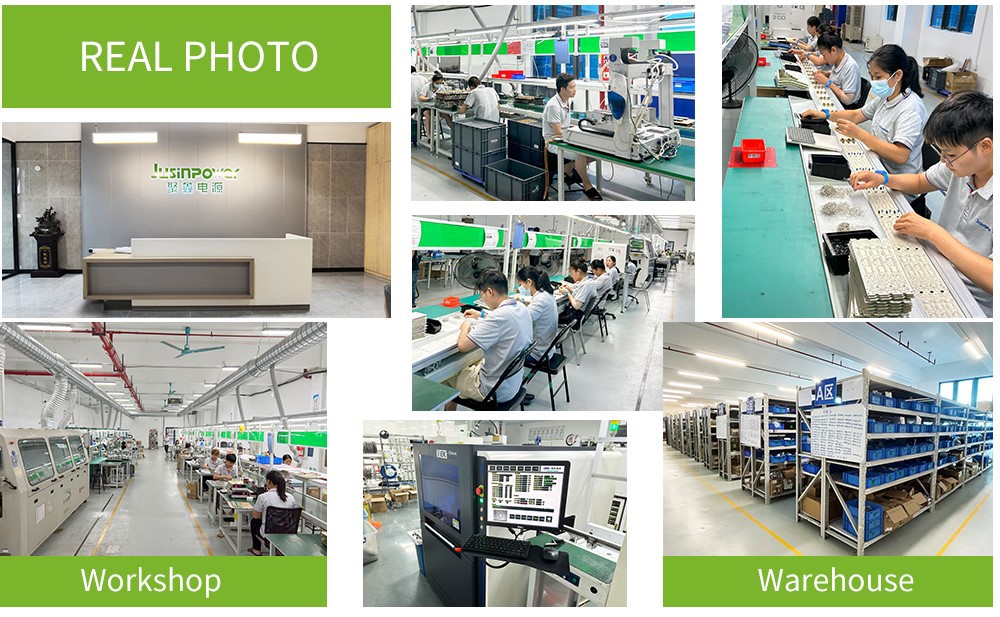
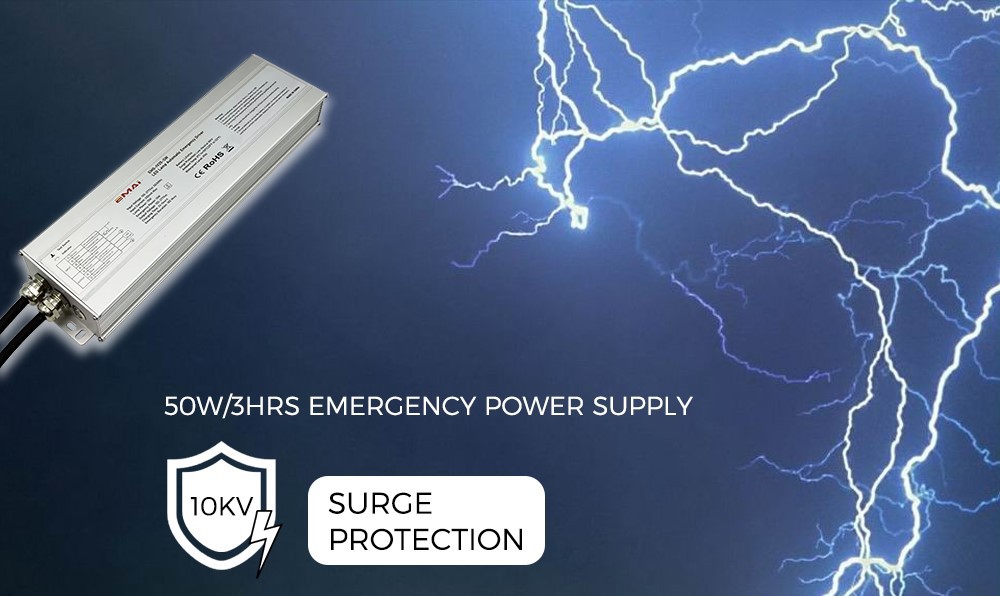
1. Electrical Stress
- Cause:
Voltage fluctuations: Unstable power grid voltage, with voltage rising or falling irregularly, increasing the burden on the power supply.
Voltage surges: Sudden voltage spikes (e.g., caused by lightning strikes or power equipment operations) creating a surge on the power
supply.
Overcurrent: The current exceeds the design load of the power supply, potentially caused by circuit problems or improper usage.
- Impact on LED lights:
LED chip damage: Unstable voltage and current affect the stable emission of light, which may lead to reduced brightness or LED chip failure.
Light flickering: Frequent voltage fluctuations can cause the lights to flicker, impacting user experience.
- Impact on the power supply:
Damage to internal components of the power supply: Electrical stress accelerates the aging of internal components in the power supply, which may lead to premature failure or performance degradation.
Power supply overheating: Overcurrent or voltage instability increases the working load of the power supply, causing it to overheat.
- Solutions for LED lights:
Use voltage stabilizers: Install voltage stabilizers to regulate voltage fluctuations, ensuring the lights operate at stable voltage.
Install surge protectors: Prevent voltage surges from damaging the lights.
- Solutions for the power supply:
Select power supplies with surge protection: Ensure the power supply is designed to withstand electrical stress.
Use high-quality power supplies: Opt for high-quality power supplies that can provide stable voltage and current to reduce the impact on internal components.
2. Overheating
- Cause:
High ambient temperature: In high-temperature environments, the heat dissipation of the lights may be inadequate, causing internal components to overheat.
Poor heat dissipation design: Poor design of heat sinks or ventilation channels can prevent effective dissipation of heat.
Long-term high-load operation: Continuous operation of the lights leads to heat buildup, increasing the risk of overheating.
- Impact on LED lights:
Accelerated light decay of LEDs: High temperatures accelerate the light decay of LED chips, reducing brightness and shortening their lifespan.
Heat damage to the fixture: The plastic or metal housing of the light may deform or deteriorate under excessive heat.
- Impact on the power supply:
Power supply failure: Overheating can damage the internal electronic components of the power supply, accelerating aging and potentially causing failure.
Reduced efficiency of the power supply: High temperatures lower the efficiency of the power supply, increasing energy loss.
- Solutions for LED lights:
Improve heat dissipation design: Use more efficient heat dissipation materials and design to ensure the lights maintain good heat dissipation during operation.
Avoid use in high-temperature environments: Install the lights in well-ventilated areas and avoid exposure to extreme heat.
- Solutions for the power supply:
Regular maintenance: Clean the power supply and its cooling system to ensure good airflow and reduce heat buildup.
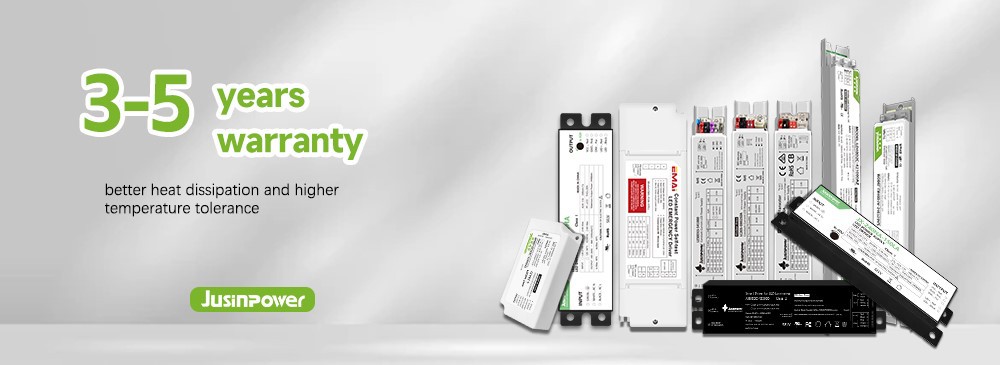
Choose heat-resistant power supplies: Opt for power supplies with better heat dissipation and higher temperature tolerance.
3. Environmental Factors
- Cause:
Humidity and damp environments: High humidity or moisture can cause internal electrical components to become damp, leading to corrosion or short circuits.
Dust accumulation: Dust buildup inside the lights or power supply can affect heat dissipation and electrical performance.
- Impact on LED lights:
Sensor failure or misactivation: Humidity or dust can affect the sensors in the lights, causing frequent switching or malfunction.
Housing corrosion: Metal housing in damp environments can corrode, affecting the appearance and structural integrity of the fixture.
- Impact on the power supply:
Short circuit or damage: Moisture can cause short circuits in the power supply, corroding electronic components and leading to failure.
Reduced heat dissipation: Dust accumulation on the power supply’s heat sink impairs heat dissipation, causing overheating.
- Solutions for LED lights:
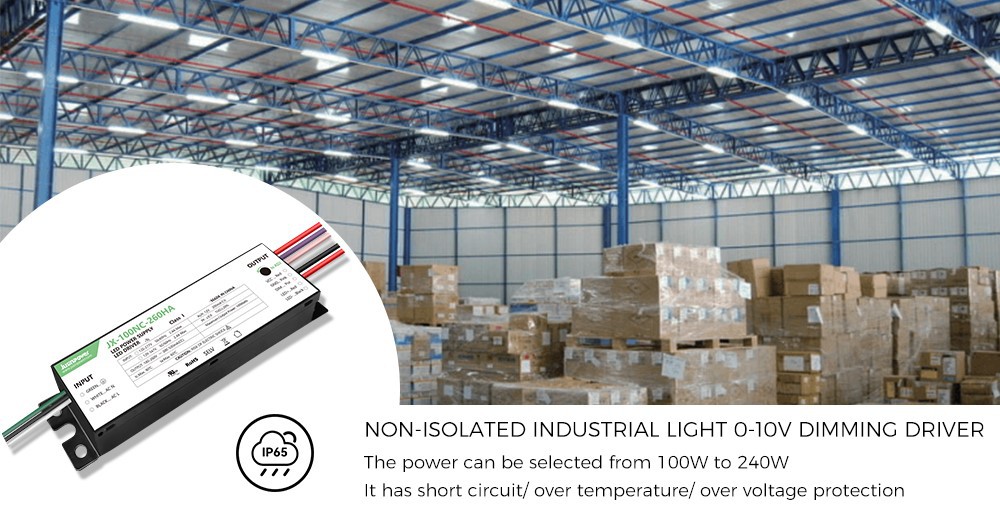
Use waterproof and dustproof fixtures: In high-humidity or dusty environments, use fixtures with a protection rating of IP65 or higher.
Regular cleaning: Clean dust and foreign particles to ensure proper functioning of the sensors and housing.
- Solutions for the power supply:
Select moisture- and dust-resistant power supplies: Choose power supplies with protective ratings to cope with harsh environmental conditions.
Regular inspection and maintenance: Regularly check the power supply’s protective state to prevent dust and moisture from entering.
4. Quality and Manufacturing Process
- Cause:
Low-quality components: Using low-quality LED chips and power supplies may result in design flaws or manufacturing defects.
Poor manufacturing process: If the manufacturing process of the lights or power supply is subpar, it may lead to unstable performance.
- Impact on LED lights:
Unstable performance: Low-quality lights may exhibit fast light decay, uneven brightness, and other issues during use, affecting user experience.
Shortened lifespan: Poor manufacturing processes may lead to frequent failures, shortening the lifespan of the lights.
- Impact on the power supply:
Unstable power supply: Low-quality power supplies may not cope well with voltage fluctuations, reducing their efficiency or causing failure.
Component failure: Manufacturing defects or poor-quality components may cause the power supply to fail prematurely.
- Solutions for LED lights:
Choose high-quality fixtures: Opt for certified, high-quality LED lights to ensure their performance and lifespan.
Consider manufacturer and brand reputation: Select reliable manufacturers and brands to ensure the design and craftsmanship meet industry standards.
- Solutions for the power supply:
Select high-quality power supplies: Use power supplies that meet industry standards and pass quality inspections.
Focus on power supply design and materials: Opt for power supplies that use high-quality components and materials for long-term stability.