
With the increasing global demand for energy efficiency and environmental sustainability, LED lighting technology has become an essential part of the lighting industry. As a crucial component of LED light sources, the development of LED drivers is of significant importance to the evolution of the entire lighting sector. This article will explore the future trends of LED drivers and provide relevant data support.
1. Rise of Smart LED Drivers
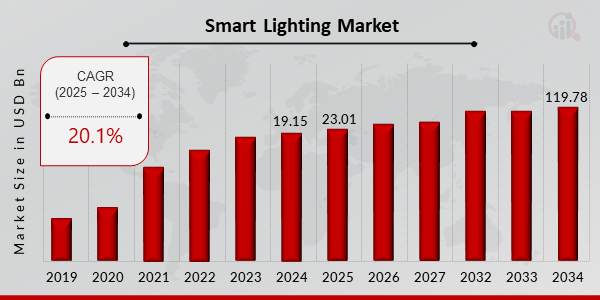
With the proliferation of the Internet of Things (IoT), Artificial Intelligence (AI), and smart home devices, the demand for smart lighting is growing exponentially. According to Market Research Future, the global smart lighting market is expected to expand at a compound annual growth rate (CAGR) of over 20% between 2025 and 2034. As a key part of this market, smart LED drivers will play a critical role. These drivers will have the ability to automatically adjust brightness, color temperature, and connect with other smart devices, meeting modern consumers’ diverse lighting experience needs.
For example, some advanced LED drivers are already capable of connecting to smart home systems via wireless protocols such as Wi-Fi, Bluetooth, or Zigbee, enabling remote control and automated adjustments. This trend is expected to continue growing in the coming years.
2. Higher Energy Efficiency and Lower Power Consumption
Global emphasis on energy conservation and emission reduction has driven continuous advancements in LED technology. According to the Grand View Research Lighting Fixture Market Size report, LED fixtures are 80% more energy-efficient than traditional fluorescent and incandescent lamps. This significant efficiency gap makes LED lighting an ideal choice for energy savings and reducing environmental impact. Research by Reports and Data projects that the global LED lighting market will grow from billion in 2020 to 0 billion by 2027, with a CAGR of 8%. This trend indicates that the demand for LED drivers will increase as the lighting market expands, particularly in sectors such as smart lighting, industrial lighting, and urban street lighting.
Future LED drivers are expected to focus more on optimizing power efficiency. For example, the adoption of more efficient Power Factor Correction (PFC) technology will help reduce energy loss and improve overall power utilization efficiency. Furthermore, new driver designs will aim to lower standby power consumption and heat generation, thereby extending the lifespan of LED light sources.
3. Human-Centric Design and Biological Adaptation
With the growing demand for healthy lighting, LED drivers will need to meet more refined adjustment requirements. For instance, dimming systems that adapt to changes in natural light and lighting that mimics biological rhythms (such as circadian lighting) will become more common. According to Research and Markets, the circadian lighting market is expected to grow by 0 million between 2024 and 2029, with a projected CAGR of 15.1%. The intelligent adjustment functions of LED drivers will increasingly focus on the user’s biological rhythm, providing lighting environments suitable for various life and work scenarios.
4. Sustainability and Eco-Friendly Design
As environmental awareness increases, the sustainability of LED drivers will become a key topic. According to the LED Lighting Technology Association (LEDIA), the market share of LED technology will continue to grow in the global lighting market, and it is expected to account for approximately 60% of the market share by 2030. As the market’s demand for eco-friendly products rises, the materials and manufacturing processes of LED drivers will evolve toward greener and more sustainable solutions. In the future, more LED drivers will use recyclable materials, reduce harmful substances, and comply with global environmental standards.
Conclusion
The future development of LED drivers will focus on innovations in smart functionality, high energy efficiency, biological adaptation, and sustainability. With continuous technological progress, these drivers will better serve the growing global smart lighting market. In the coming years, LED drivers will become one of the core technologies driving the lighting industry toward greater efficiency, sustainability, and intelligence.