
The operating temperature range of components is a key consideration in the design and manufacture of modern electronic devices.
Different components exhibit different performance and lifespan under different temperature conditions, and understanding the maximum temperature tolerance of these components is critical to ensuring the stability and safety of the equipment.
This article will explore the maximum temperature range of some common electronic components to help you learn more about LED drivers.
|
Component Name |
Temperature |
|
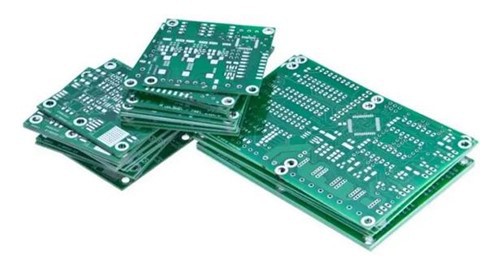
PCB (FR4)
|
130℃ |
|
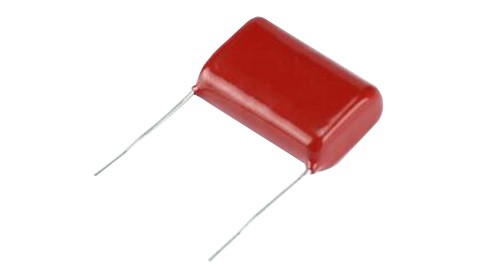
CBB Capacitor
|
-40 to +105℃ |
|
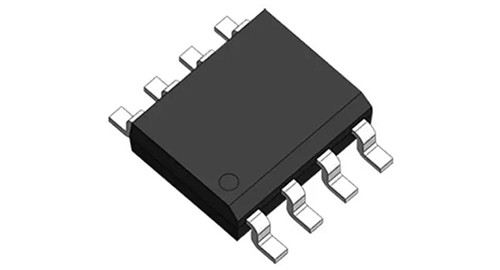
IC
|
-40 to +125℃ |
|
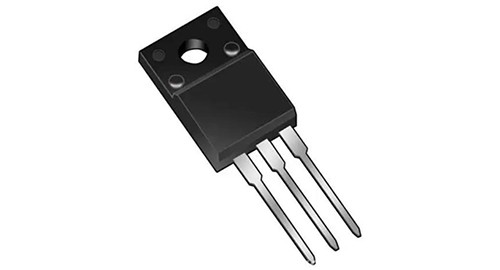
MOS
|
-55 to +150℃ |
|
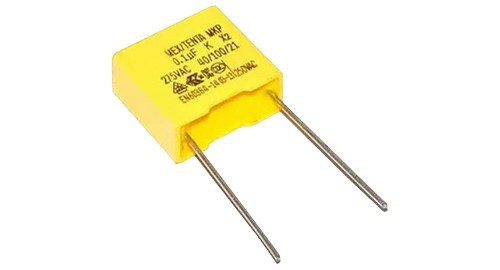
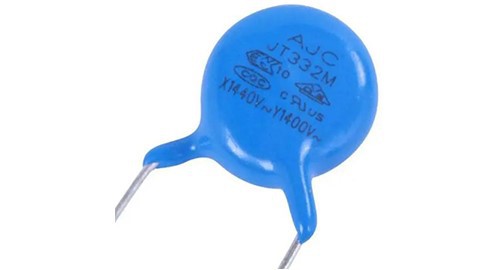
Safety Capacitor
|
-40 to +110℃ |
|
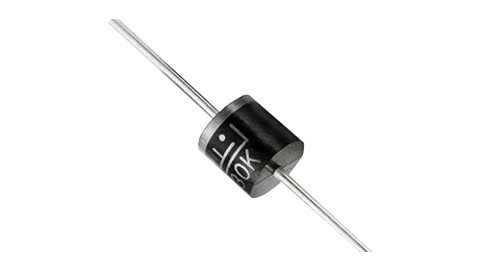
Through-Hole Diode
|
-65 to +175℃ |
|
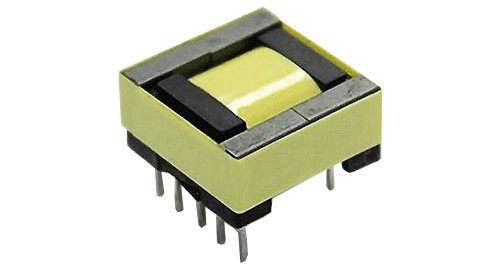
Transformer
|
+150℃ |
|
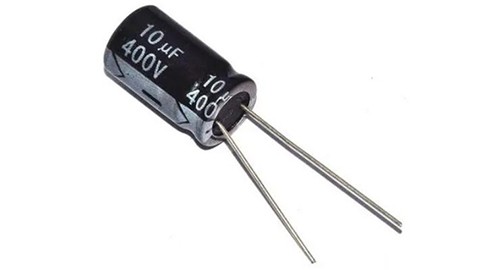
Electrolytic Capacitor
|
-40 to +105℃ |
|
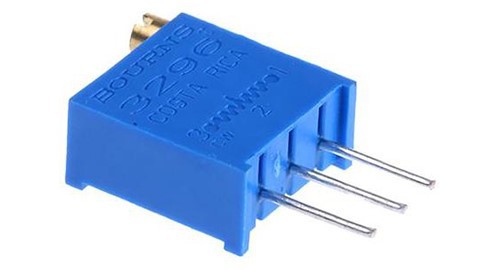
Potentiometer
|
-55 to +125℃ |
|
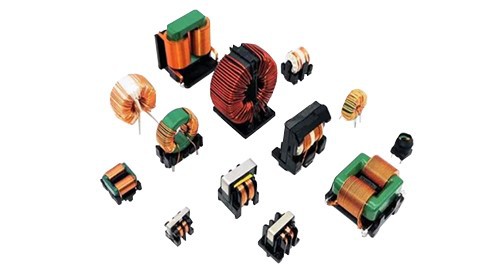
Common Mode Inductor
|
-20 to +80℃ |
|
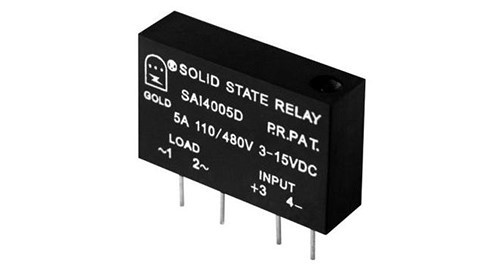
Relay
|
-40 to +70℃ |
|
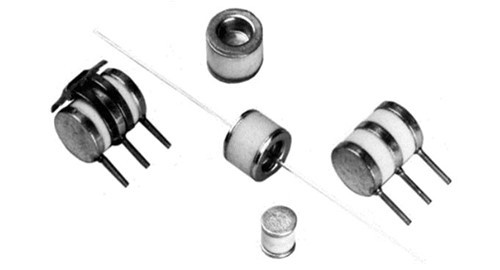
Gas Discharge Tube
|
-30 to +85℃ |
|
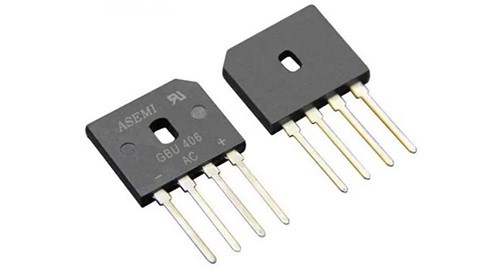
Bridge Rectifier
|
-55 to +150℃ |
|
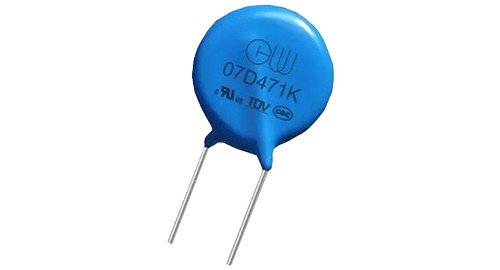
Varistor
|
-55 to +125℃ |
|
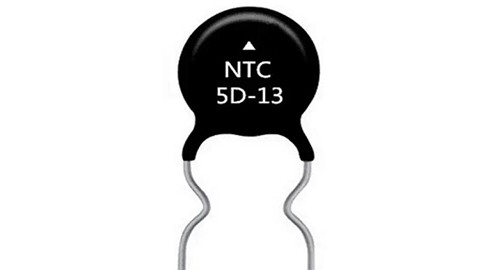
Thermistor
|
-40 to +160℃ |
|
Ceramic Capacitor
|
-25 to +125℃ |
|
SMD Components |
|
|
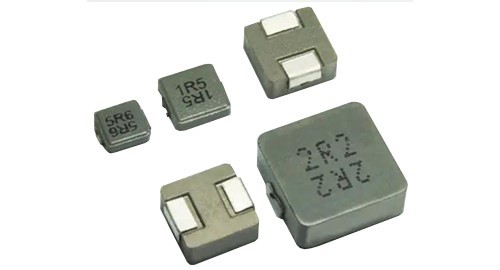
SMD Inductor
|
-40 to +125℃ |
|
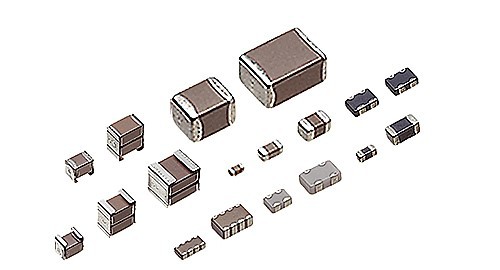
SMD Capacitor
|
-40 to +105℃ |
|
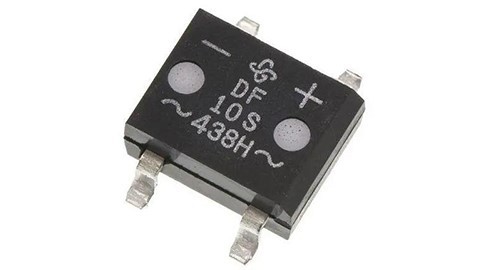
SMD Rectifier
|
-55 to +150℃ |
|
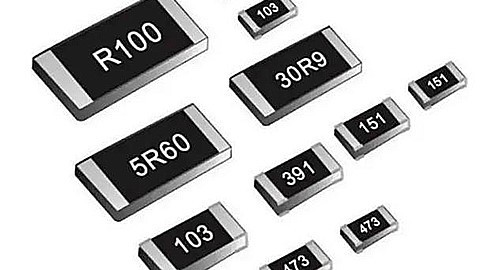
SMD Resistor
|
-55 to +155℃ |
Please note that the temperatures of the above components are tested under their rated operating conditions.